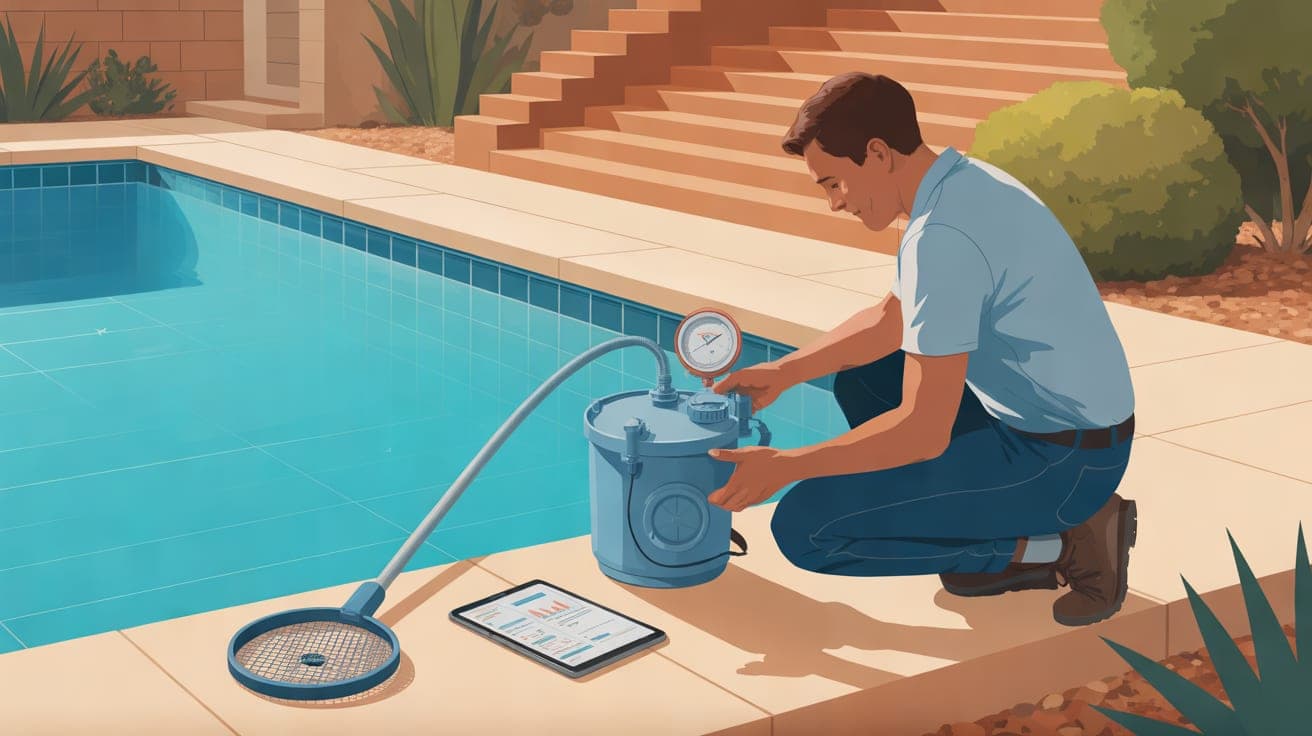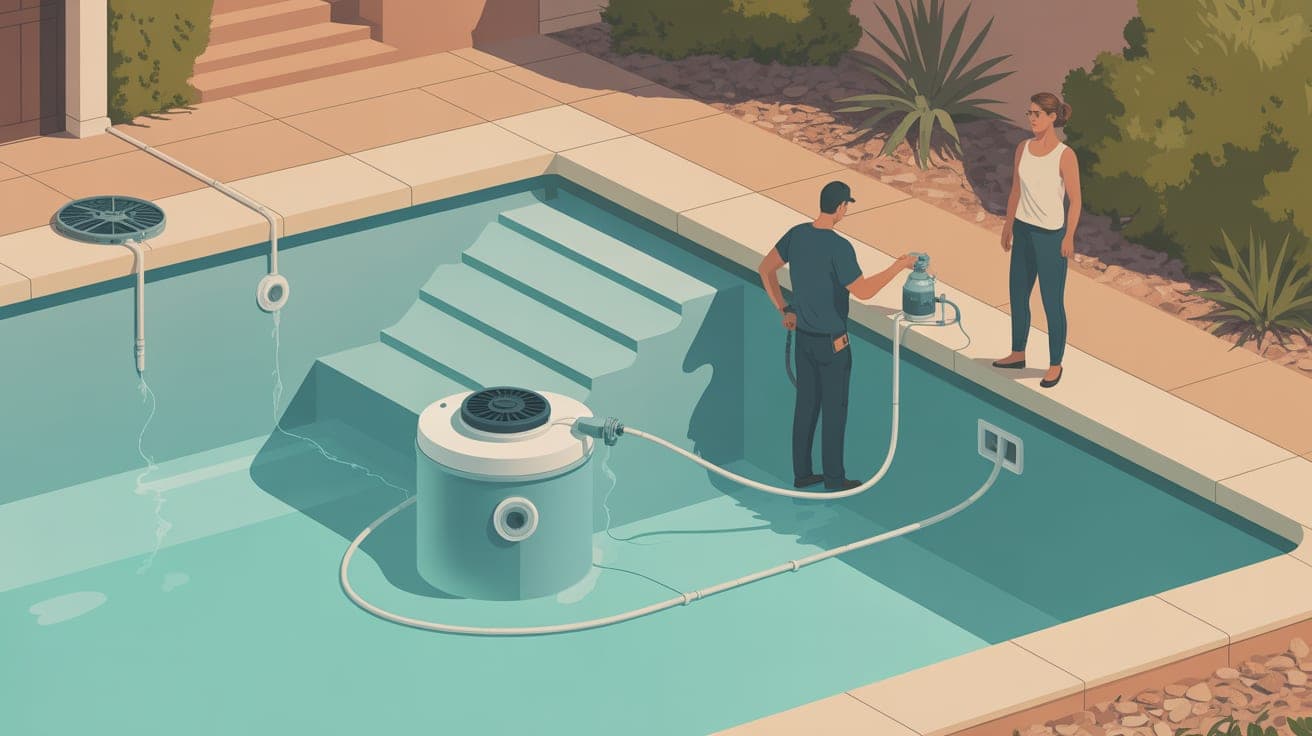
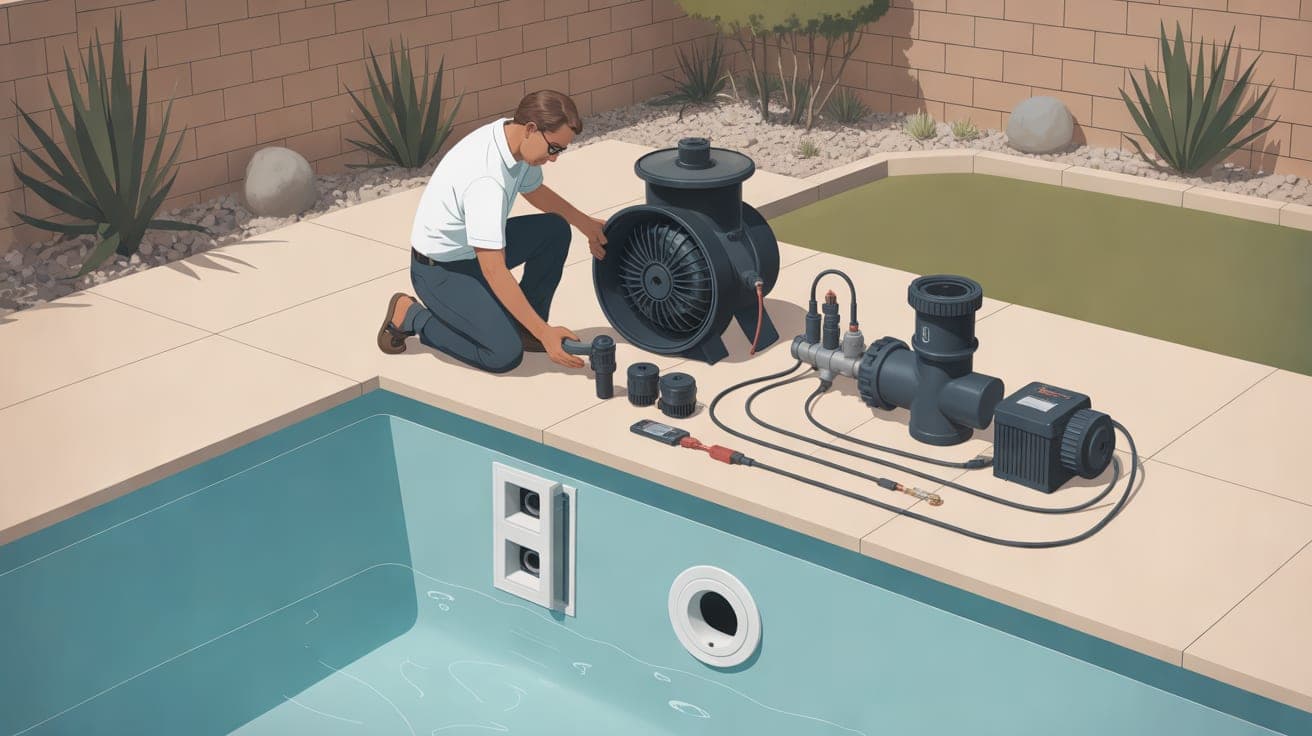
Kenney's Pools provides interceptor pump installation in Chandler by first confirming what pump your pool actually uses, then matching hydraulics, electrical requirements, plumbing, and controls before installation. You should expect a clear diagnosis, a compatible equipment recommendation, careful commissioning, and an explanation of how to operate and maintain the finished system.
Table of contents
- What is an interceptor pump, and what does it do in a pool system?
- Is an interceptor pump right for your Chandler pool?
- What should interceptor pump installation in Chandler include?
- How do technicians decide whether to repair, replace, or change the pump approach?
- How is the scope and cost of interceptor pump installation established?
- What should you do after a new pool pump is installed?
- Frequently asked questions
What is an interceptor pump, and what does it do in a pool system?
An interceptor pump is not a universally standardized name for one specific type of residential pool pump, so the first job is identifying the pump's actual duty in your system. Homeowners may use the term for a main circulation pump, a secondary booster pump, or a pump added for a specialized water-moving task. Those applications are not interchangeable.
A circulation pump is the pump that moves pool water through the treatment loop. Water enters through the skimmer and, where installed, the main drain. It passes through the pump basket, where large debris is caught before reaching the pump. The spinning impeller inside the pump creates lower pressure at the inlet and higher pressure at the outlet, moving water onward to the filter, heater or other treatment equipment, and then back to the pool through the returns.
The right pump must deliver adequate flow against the resistance of the complete plumbing system. That resistance is called total dynamic head, or TDH. TDH includes pipe length, fittings, valves, filter resistance, elevation changes, and restrictions created by equipment. As resistance rises, available flow falls. This is why a pump cannot be selected by motor size alone.
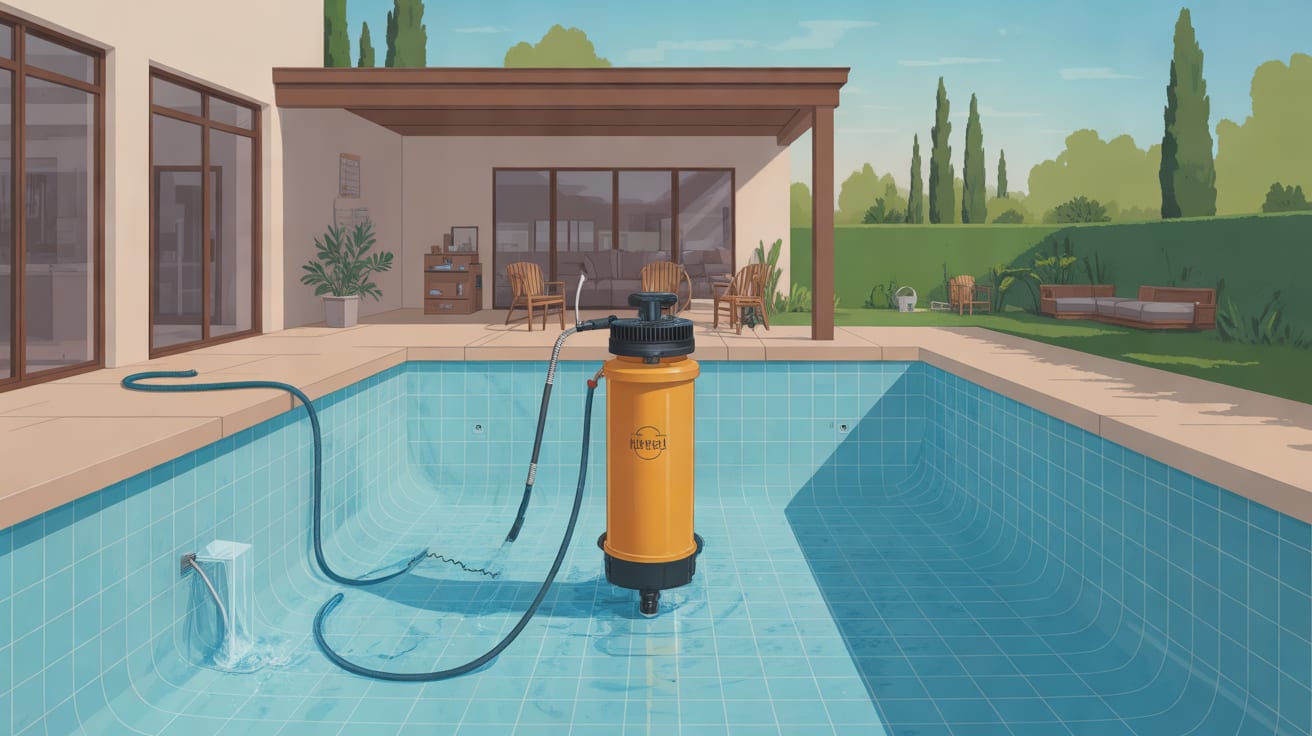
A secondary or booster-style pump has a different role. It may serve a pressure-side cleaner or another dedicated feature and usually depends on the main circulation system being configured correctly. Installing a secondary pump where a circulation pump belongs can create poor filtration, unreliable operation, and unnecessary electrical load. Kenney's Pools verifies the pump's function before recommending a replacement rather than assuming the name used for it identifies the correct equipment.
Is an interceptor pump right for your Chandler pool?
An interceptor pump is right for your Chandler pool only if its intended job, hydraulic capacity, plumbing connections, electrical supply, and control system match the existing pool design. A pump that physically fits on the equipment pad can still be the wrong choice.
A technician should start by finding the reason service is needed. A pump that will not circulate may have a failed motor, damaged impeller, worn seal, air leak on the suction side, blocked basket, failing capacitor, control issue, tripped protection, or restrictive filter. Replacing the whole assembly without isolating the cause can leave the original problem unresolved.
Signs that warrant a professional inspection include:
- A pump that hums but does not start or repeatedly shuts off.
- Loss of prime, visible air in the pump housing, or air blowing from return fittings.
- A water leak between the motor and pump housing, often associated with a seal problem.
- Unusual grinding, screeching, or bearing noise.
- Weak return flow after confirming the pool has proper water level and a clean basket.
- A pump that runs but cannot maintain normal circulation or filtration.
- A breaker or safety device that trips during operation.
Some problems support a targeted repair. Others make replacement the better long-term decision, especially when the pump has multiple failures, the wet end is compromised, the motor is unreliable, or the existing unit cannot be matched safely to the plumbing and controls. For an issue that extends beyond the pump, use Kenney's Pools' Chandler pool repair service to diagnose the full equipment system.
Chandler's heat also makes correct scheduling and programming matter. A pump must run long enough to circulate and filter the water for actual conditions, but running a poorly selected or poorly programmed pump longer does not correct a hydraulic mismatch. It adds wear and operating cost while masking the root cause.
What should interceptor pump installation in Chandler include?
Interceptor pump installation in Chandler should include inspection, compatibility verification, a clearly defined scope of work, proper physical and electrical connection, startup testing, and a homeowner walkthrough. A dependable installation is more than removing one pump and setting another in its place.
The service should begin with an equipment-pad assessment. The technician checks the old pump's purpose, pipe diameter and layout, suction and return valve arrangement, filter condition, connections, available space, and whether the plumbing has usable unions. Unions are threaded fittings that allow a pump to be removed without cutting pipe; damaged or poorly aligned unions can cause leaks or strain the pump housing.
Next comes electrical and controls review. Pump voltage, wiring configuration, disconnecting means, timers, automation interfaces, and speed-control requirements must agree with the selected unit. Grounding provides a low-resistance path for fault current, while bonding connects conductive pool-system components to reduce voltage differences between them. They are different safety functions. Any installation that reveals damaged wiring, inadequate connections, or a needed circuit change should address those conditions before the pump is put into service.
A transparent installation typically includes these steps:
- Shut down power and isolate plumbing so the equipment can be serviced safely.
- Remove the old pump and inspect adjacent valves, unions, and plumbing for damage or stress.
- Set and align the replacement pump so the plumbing reaches it naturally, without forcing fittings into place.
- Make the plumbing connections, replacing compromised seals or fittings included in the agreed scope.
- Connect power and controls correctly for the pump and existing system.
- Fill the pump housing, establish prime, and check suction and discharge connections for leaks.
- Verify water movement, filter pressure behavior, control response, and any programmed operating speeds.
- Explain operation, basket cleaning, basic warning signs, and the recommended follow-up care.
For a service built around those checks, see Kenney's Pools' residential pump installation and replacement service. The goal is a pump that works with the entire pool, not simply a new motor that turns on.
How do technicians decide whether to repair, replace, or change the pump approach?
Technicians decide by comparing the condition of the current pump with the pool's hydraulic needs, equipment compatibility, expected repair scope, and the homeowner's operating goals. The decision should be explained in plain language before work begins.
A direct replacement can be sensible when the existing plumbing, control setup, and pump duty are appropriate and only the pump has failed. A different approach may be justified if the pool suffers from chronic flow problems, repeated priming issues, a mismatched filter, or controls that cannot operate the replacement properly.
| Option or approach | Best fit | What the technician must verify | Main trade-off |
|---|---|---|---|
| Targeted repair of the existing pump | A specific, repairable fault with a sound pump housing and motor system | Source of leak, motor condition, impeller condition, seals, electrical readings, and availability of a durable repair path | Lower immediate scope, but it does not solve unrelated aging or sizing issues |
| Like-for-like circulation pump replacement | Existing pool hydraulics and controls are working correctly | Voltage, inlet and outlet geometry, plumbing alignment, flow needs, and timer or automation compatibility | Usually the simplest path, but it preserves limitations in the existing design |
| Variable-speed circulation pump replacement | Homeowner needs adjustable flow for filtration, heating, water features, or quieter operation | Pump curve at the pool's TDH, filter limits, minimum required flow, control compatibility, and programming | More setup decisions; incorrect programming can reduce performance |
| Dedicated secondary or booster-pump installation | A separate feature genuinely requires a dedicated pump | The feature's plumbing path, interlocks, filtration relationship, electrical supply, and operating sequence | Adds another component to maintain and should not replace the main circulation pump |
Pump selection also depends on the filter. A dirty, undersized, damaged, or restrictive filter changes the operating conditions the pump sees. If inspection finds a filter concern, filter installation and cleaning support can be part of the broader solution. A pump cannot correct a filter that is obstructed or failing.
How is the scope and cost of interceptor pump installation established?
The scope and cost of interceptor pump installation are established after the technician identifies the pump's job and confirms the condition of the plumbing, electrical connections, controls, and surrounding equipment. A responsible estimate separates the needed pump work from additional repairs instead of rolling unknown problems into a vague promise.
The estimate should identify the selected pump and the verified connection or control work needed to commission it. That gives you a way to compare the recommendation with the diagnosed condition rather than a generic replacement quote.
You should receive a clear explanation of whether the recommendation is for repair or replacement and why. Ask what parts of the system were inspected, whether plumbing changes are needed, whether the existing timer or automation will operate the pump, and what startup testing will be performed. If related work is discovered, such as a leaking valve, failing filter component, or unsafe wiring condition, you should understand whether it is required for proper operation or presented as an optional improvement.
Avoid approving a pump solely because it has a larger motor or because it appears to match the footprint of the old unit. Excessive flow can increase noise, stress plumbing, reduce filtration effectiveness in some setups, and create problems for downstream equipment. Too little flow can leave water circulation weak and prevent equipment from operating as intended. Correct sizing is a system decision.
What should you do after a new pool pump is installed?
After a new pool pump is installed, monitor for stable prime, normal water movement, dry plumbing connections, and consistent programmed operation during the first several cycles. Report a leak, repeated loss of prime, unusual noise, or a control issue promptly rather than continuing to run the equipment.
Keep the water level high enough for the skimmer to draw without pulling air. Empty the pump basket only with the pump off, inspect the lid and O-ring for a clean seal, and keep the filter maintained so the new pump is not forced to work against unnecessary restriction. Regular pool maintenance service helps keep filtration, circulation, and water chemistry working together.
Kenney's Pools serves residential pool owners who want clear answers and dependable equipment work. Contact kenneyspoolsserviceandrepair.com — Kenney's Pools Service and Repair LLC — 616 S 97th Pl, Mesa, AZ 85208 — (480) 360-7149 to schedule a Chandler pump inspection and receive a straightforward recommendation for your pool.
Frequently asked questions
What is an interceptor pump in a residential pool?
An interceptor pump is not a universal technical name for one pool-pump type. It may refer to a main circulation pump, a dedicated booster pump, or another water-moving pump, so a technician must identify its actual function before selecting a replacement.
Can I replace an interceptor pump with a larger pump?
A larger pump is not automatically better because pump flow must match the pool's plumbing resistance, filter capacity, equipment requirements, and control system. An oversized pump can create noise, excess pressure, inefficient operation, and equipment problems.
How do technicians know whether my pool pump needs repair or replacement?
Technicians inspect the motor, impeller, seal area, pump housing, plumbing, electrical supply, controls, and water-flow conditions to isolate the failure. Replacement is often appropriate when multiple major components are failing or the existing pump no longer suits the system.
What should a Chandler pump installation technician test at startup?
A Chandler pump installation technician should verify prime, leaks, water flow, plumbing alignment, filter response, electrical operation, controls, and programmed speeds before leaving. The homeowner should also receive operating and maintenance guidance.
Why does my new pump lose prime after it has been installed?
A new pump usually loses prime because air enters on the suction side through a lid seal, union, valve, plumbing connection, or low pool water level. A blockage or plumbing restriction can also interfere with stable circulation and requires diagnosis.
Does pump installation include checking the pool filter?
A complete pump assessment should include checking the filter because filter restriction directly affects pump flow and operating pressure. A pump replacement may need to be paired with filter cleaning, repair, or replacement if the filter is limiting circulation.
- interceptor pump
- pump installation
- chandler pool service
- pool pump replacement
- pool equipment repair

Kenney's Pools
Licensed Pool Service Professionals · Mesa, AZ
Kenney's Pools Service and Repair has spent over a decade keeping residential pools across Mesa and the East Valley clean, balanced and running right. Locally owned, licensed, and focused exclusively on homeowners.